

In metal injection moulding (MIM), besides controlling the dimensional accuracy, satisfying the mechanical properties is essential. The mechanical properties are strongly influenced not only by the metal powder properties, but also by the MIM process. This time, we will introduce our scientific analysis works for assuring our μ-MIM® quality.
Chemical composition analysis work is not straightforward for metal material. since the specific density difference between the metal and impurity, such as oxygen, hydrogen, nitrogen and carbon is large. Even among the metal elements, for example, stainless steels contain carefully controlled alloying elements such as chromium and nickel and these element compositions are strictly complied to the standard. Since these elements exist in widely different concentrations and have different chemical characteristics, we use several analytical techniques depending on the requirements.
ICP Spectroscopy
ICP (Inductively Coupled Plasma) spectroscopy is one of the most powerful elemental analysis techniques available today. It is widely used in the metals, semiconductor, pharmaceutical, environmental, and geological industries because it can detect almost every metallic element from major alloying elements down to ultra-trace impurities at parts-per-billion (ppb) or even parts-per-trillion (ppt) levels. Here is an example, iron dissolved in water, 1 ppb means 1 μg/L, which is 0.000001 g of iron in 1L of water.
However, ICP analysis is destructive, time-consuming and importantly the operation requires skills. For these reasons, our sintered part inspection we outsource ICP analysis work, if required. On the other hand, we purchase the powder with the mill sheet, which must include this ICP spectroscopy results.
Combustion infrared analysis / Inert gas fusion analysis
Not all important elements can be measured by ICP spectroscopy. Carbon, oxygen, nitrogen and hydrogen require different analytical methods because they have a significant influence on the MIM process and the properties of the finished components.
During feedstock preparation, metal powder is mixed with a polymer binder to provide the flowability required for injection moulding. If the binder is not completely removed during the debinding process, residual carbon or other non-metallic elements may remain in the component, affecting sintering behaviour, dimensional stability and mechanical properties.
To verify that the process is properly controlled, we perform combustion infrared analysis in-house to measure carbon content. When oxygen, nitrogen or hydrogen need to be evaluated, inert gas fusion analysis is deployed. These analytical techniques allow us to monitor material quality scientifically rather than relying solely on dimensional inspection.
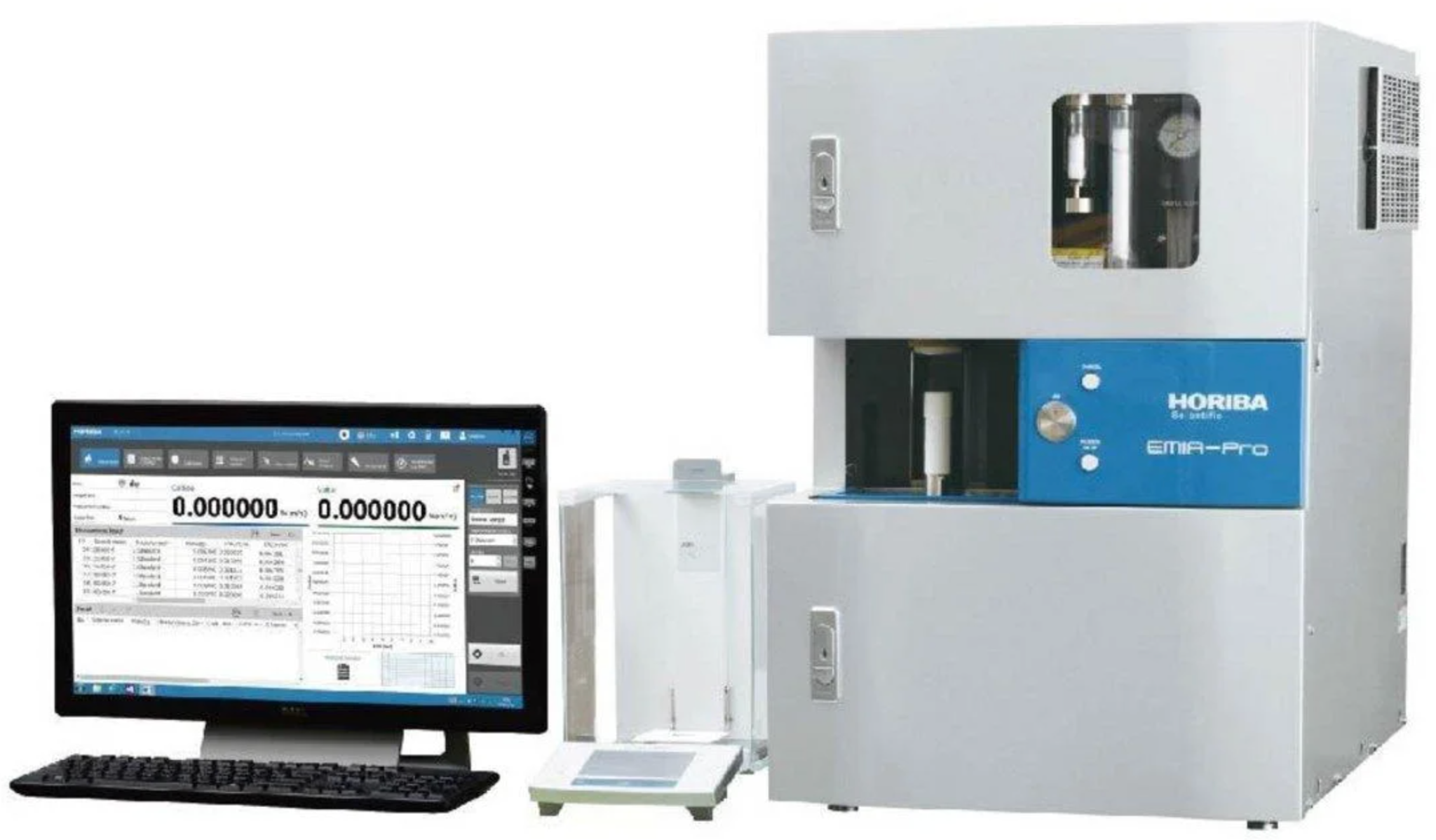
Through a combination of precision moulding, advanced sintering technology and scientific material analysis, our μ-MIM® technology produces miniature, highly complex metal components with excellent dimensional accuracy and reliable material properties. By continuously investing in analytical technologies and manufacturing expertise, we remain committed to providing dependable μ-MIM® solutions for demanding industrial applications.
Employee column
Hello! I'm Sekiuchi from the Production Control, and I've been here for two years.
My days are filled with production scheduling and delivery management, but I always strive to create smooth and practical production plans by drawing on the experience I gained on the manufacturing floor in my previous job.
Now, let me introduce what keeps me going—Chiikawa.
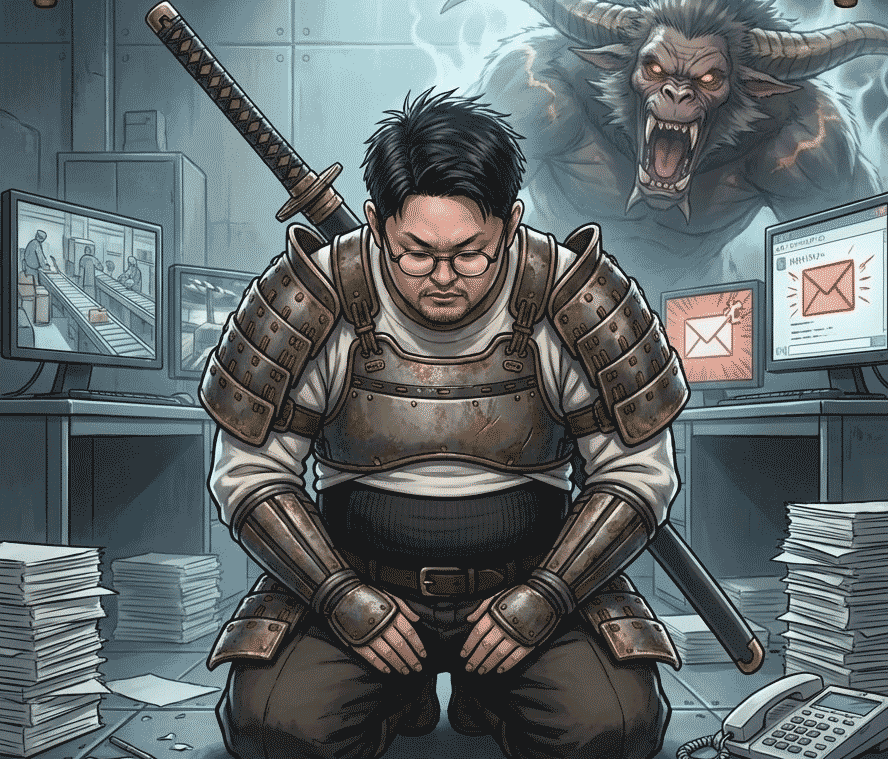
Balancing planning and control at the same time sometimes feels like taking on a Furious Rajang. But thanks to my "Mushroom"—Chiikawa—I can boost my maximum stamina and keep pushing forward. With μMIM technology in hand... it's time to hunt!
(...as long as there's no overtime that day! 😉)
Download the PDF file
Conclusion
Cracking, slumping or blistering is commonly observed due to the binder swelling and/or residual stress difference between the surface and interior. It is possible to avoid these problems by selecting appropriate organic solvents and temperature control.
The catalytic deboning uses sublimation of binder, thus it is possible to decompose the binder in relatively short processing time with minimizing the deformation. However, with a strong acidic atmosphere, theapplicable metal material option is limited.
In the sintering process, the necking, which is bridging the metal powders by thermal diffusion, starts at the sintering temperature. Once the necking starts, the shrinking is observed and increases the density, thus before starting the necking reaction, all the organic components should be decomposed and gas between the powders should be removed. In the sintering process, the unwanted chemical reaction, such as oxidation or carbonization, leads to mechanical property loss, therefore a precise atmosphere control with low heating rate at the beginning of the process is required. Also, when it reaches the sintering temperature, some add it vegetal can be evaporated.